Your Body Warns You Before a Heart Attack: 7 Symptoms You Should Never Ignore
Your body is an incredible machine that constantly communicates with you, especially when something isn’t right. Often, before a major health issue occurs, your body sends warning signals. A heart attack, though seemingly sudden, can actually be preceded by symptoms that appear up to a month in advance.
Recognizing these warning signs could save your life or that of a loved one. In this article, we’ll explore the seven most common warning signs of an impending heart attack, based on real and verified medical data.
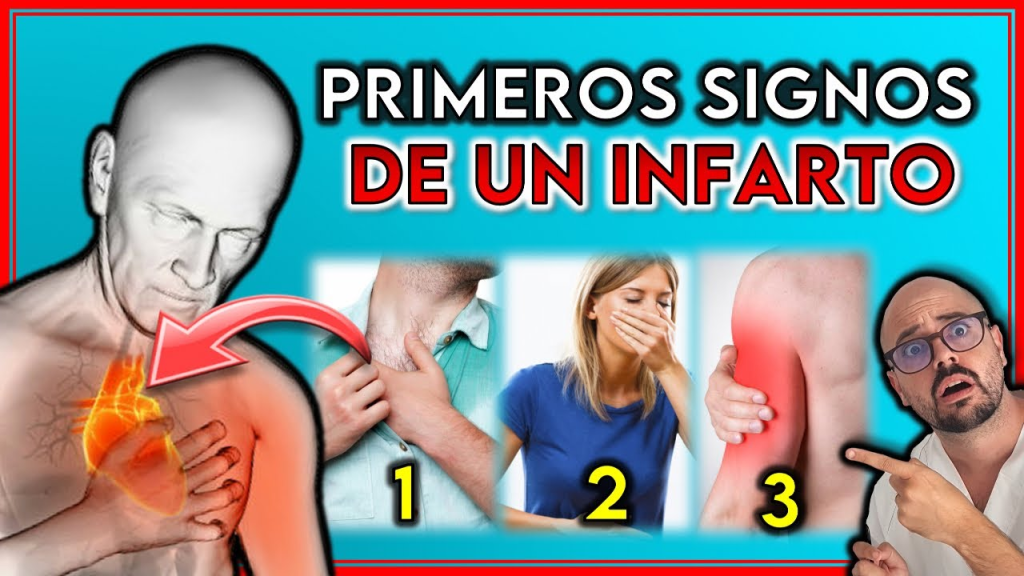
1. Extreme and Unexplained Fatigue
Feeling unusually exhausted despite having a good night’s sleep? Persistent fatigue without a clear cause can be an early indicator of heart problems. This happens when the heart struggles to pump enough blood, forcing the body to work harder to maintain essential functions.
Women are more likely to experience this symptom than men, but it can affect anyone. If you find yourself constantly drained or unusually weak, consult a doctor as soon as possible.
2. Chest Pain or Pressure
Chest pain is one of the most widely recognized signs of a heart attack, but it doesn’t always appear as a sharp or intense pain. Many people describe it as tightness, pressure, burning, or mild discomfort that comes and goes.
In some cases, the pain may radiate to the left arm, jaw, neck, or upper back. It’s crucial not to ignore any form of chest discomfort, as it could be a precursor to a serious cardiac event.
3. Shortness of Breath (Dyspnea)
If you suddenly find yourself struggling to breathe while performing simple tasks like walking, climbing stairs, or even sitting still, pay attention. Shortness of breath occurs when the heart is unable to pump enough oxygen-rich blood to the body.
This symptom may appear with or without chest pain and is a critical warning sign of an impending heart attack. If breathing difficulties become frequent or severe, seek medical attention immediately.
4. Cold Sweats and Excessive Perspiration
Experiencing cold, clammy sweats without exertion or high temperatures can be a sign that your heart is under stress. Unusual sweating, especially if it occurs alongside dizziness or nausea, is a common early warning sign of heart disease.
If you find yourself sweating excessively for no apparent reason, it’s wise to take it seriously and consult a doctor to rule out any cardiac issues.
5. Pain in Other Areas of the Body
Heart attack pain doesn’t always remain localized in the chest. It can radiate to different parts of the body, including the arms (especially the left), shoulders, back, neck, jaw, or even the upper abdomen.
This type of pain is often mistaken for muscle tension or indigestion, but if it is persistent or accompanied by other symptoms, it’s better to be safe and get checked by a healthcare professional.
6. Swelling in the Legs, Feet, or Ankles
Swelling in the lower extremities, known as edema, can indicate that the heart is not effectively pumping blood, leading to fluid buildup. If you notice your shoes feeling tighter than usual or swelling in your ankles without any apparent cause, it’s time to seek medical advice.
Ignoring this symptom could lead to more serious complications such as heart failure or circulation problems.
7. Dizziness or Frequent Fainting
Feeling lightheaded, dizzy, or fainting unexpectedly can be a sign that your heart isn’t pumping blood efficiently, leading to reduced oxygen supply to the brain.
This can be caused by low blood pressure, irregular heart rhythms, or other cardiac issues. If you frequently experience dizziness or fainting spells, consult a doctor immediately to rule out any serious heart-related conditions.
What Should You Do If You Experience These Symptoms?
If you notice one or more of these warning signs, do not ignore them. Many people downplay these symptoms, attributing them to stress or general fatigue. However, early detection can be life-saving.
Here’s what you should do:
- Seek immediate medical attention if symptoms persist or worsen.
- Schedule a full heart check-up with your doctor.
- Adopt a heart-healthy lifestyle that includes a balanced diet, regular exercise, and avoiding smoking.
Prevention is Key
Your heart is the engine of your body, and it’s crucial to listen to its warning signs. Recognizing these symptoms early can not only help prevent a heart attack but also save lives.
If you have family or friends who could benefit from this information, share this article with them. Health begins with awareness and prevention!