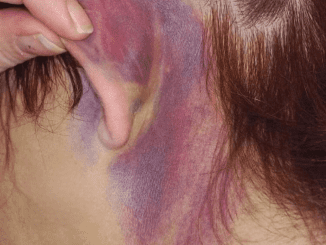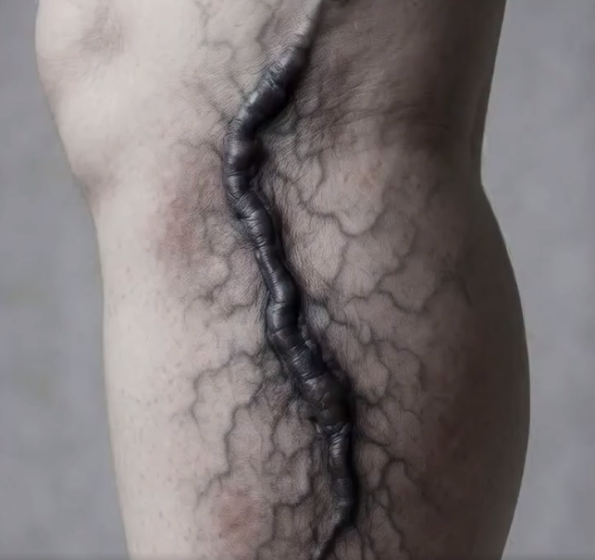
Thrombosis is a condition that occurs when a blood clot forms inside a vein or artery, partially or completely blocking blood flow. Although this process often goes unnoticed, it can have serious consequences if not detected and treated promptly. There are two main types: deep vein thrombosis (DVT), which usually occurs in the legs, and arterial thrombosis, which can affect vital organs such as the heart or brain.
One of the most worrying aspects of thrombosis is that it can develop without any obvious symptoms. However, there are warning signs that should not be ignored. Sudden swelling in a leg or arm, especially if there is no apparent cause, is one of the most common symptoms. This swelling is usually the result of blood pooling because it cannot circulate properly due to the blockage. Along with the swelling, it is common to experience pain or a feeling of warmth in the affected area, sometimes similar to a cramp or persistent burning sensation. In many cases, people mistake it for a simple muscle strain, which delays seeking medical attention.
Other symptoms that may accompany thrombosis include skin reddening, heaviness in the limbs, and, in more serious cases, difficulty breathing or chest pain if the clot travels to the lungs, causing a pulmonary embolism.
Several factors increase the risk of thrombosis, including prolonged immobility (for example, after surgery or a long trip), smoking, obesity, the use of hormonal contraceptives, pregnancy, and a family history of clotting disorders. Prevention is key: staying active, hydrating properly, and avoiding prolonged periods in the same position can significantly reduce the risk.
If you notice any suspicious signs, it’s crucial to see a doctor immediately. Early diagnosis through ultrasound or blood tests can prevent life-threatening complications.
Thrombosis can be silent, but it shouldn’t be ignored. Listening to your body’s signals, maintaining healthy habits, and getting regular checkups are essential steps to preserving circulatory health. Remembering that prevention will always be the best weapon against this invisible enemy can make the difference between a healthy life and a medical emergency.